



Älä kiillota uusia betonilattiapintoja
Are you thinking about polishing a new concrete floor? A glossy shine may be tempting, but it’s important to understand the potential pitfalls first.
In this article, we’ll look at why you should avoid polishing new concrete floors before they’re dry enough. We’ll cover the grinding and polishing process, how concrete dries, and how moisture testing helps protect the integrity and performance of your concrete floors.
Concrete floor finishing tastes are surprisingly subjective. However, strength and performance matter on every project when concrete slabs are properly installed. Designers choose decorative finishes for color and light reflection, while warehouse tenants choose concrete for its resilience to forklifts and work boots.
Others may opt for the buff-polished beauty of bare concrete flooring.
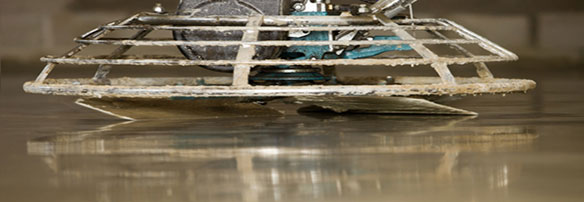
Hold your horses. That shine comes with maintenance. And installers who polish before the floor is dry enough can end up with persistent moisture problems. The end result reflects the process that created it.
Kiillotus ja kiillotus
Määritelmäbetonin viimeistelyprosessi, jossa saadaan kestävä, kulutusta kestävä ja kiiltävä pinta.
The goal is to produce a smooth, dense, and durable concrete surface free of trowel marks. Grinding uses diamond grit set in a metal matrix to remove pits, blemishes, stains, or light coatings from the concrete surface.
Depending on the condition of the concrete, grinding is done in several stages, moving from coarser to finer grits. The purpose is to take the roughness out of the slab. This is the first stage of a polished floor.
Next, polishing uses finer diamond abrasives set in plastic or resin disks. Installers work through progressively finer abrasives to bring more polish to the floor, continuing until the concrete shines as desired.
During the process, installers typically apply a penetrating densifier or sealer that hardens and protects the concrete. It may eliminate the need for a topical coating, but contractors sometimes apply a polishing compound or guard to add sheen.
From start to finish, the process refines the rough surface typical of new concrete slabs. Troweling smooths the fresh concrete, grinding removes surface material and imperfections, polishing brings out the shine, and the densifier or sealer helps protect the surface.
What Lies Beneath
It’s important to distinguish between the concrete itself and the products that seal it. Sealers are designed to protect concrete slabs by blocking surface pores that would otherwise absorb water and salts.
Water and salts that get into concrete can contribute to problems such as freeze-thaw damage, chemical attack, and corrosion of reinforcing steel. Once a sealer is applied, it forms a barrier between the concrete and the surrounding air.
Moisture is part of concrete from the moment Portland cement, water, and aggregates are mixed. During the betonin kuivausprosessi, this moisture migrates to the surface of the slab and evaporates, in an ongoing process that continues until the slab is sealed or reaches equilibrium with the relative humidity (RH) of the surrounding air.
Moisture-related problems follow when installers don’t allow enough time for moisture to leave the slab. Excess moisture can jeopardize concrete flooring, no matter how it’s sealed or finished.
Ilmainen lataus – 4 syytä, miksi betonisi kuivuminen kestää ikuisuuden
Miksi se on niin tärkeää
Polishing can make moisture-related problems worse if the slab hasn’t dried enough. Put simply, the sealers meant to make concrete floors resilient and shiny can end up trapping water vapor inside the slab.
With nowhere to go, the moisture stays in the concrete. Sealers can fail, along with flooring adhesives and chemical colorants, and builders and customers face expensive concrete remediation.
The best course is to make sure the slab has dried to the necessary moisture level first. Surface-based tests have limits: calcium chloride (CaCl) testing measures only the moisture emitted from the top of the slab, and handheld concrete moisture meters are screening tools for finding wetter areas.
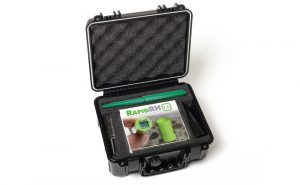
RH testing, on the other hand, gives a more complete picture of a slab’s moisture condition, using in-situ sensors placed in the concrete at 40% of the slab’s depth for a slab drying from one side (20% for a slab drying from two sides). Wagner-mittarien nopea suhteellinen kosteus® measures the RH inside the slab, giving you the information you need to decide when it’s safe to move ahead.
A betonikosteusmittari is a useful companion to RH testing, helping you find the wettest areas of the slab and decide where to place your RH sensors.

Jasonilla on yli 20 vuoden kokemus myynnistä ja myynnin johtamisesta useilla eri toimialoilla, ja hän on menestyksekkäästi tuonut markkinoille useita tuotteita, mukaan lukien alkuperäiset Rapid RH® -betonikosteustestit. Hän työskentelee tällä hetkellä Wagner Metersillä Rapid RH® -tuotteiden myyntipäällikkönä.
Päivitetty viimeksi 14. lokakuuta 2026

 800-634-9961


Hieno kirjoitus! Olet täysin oikeassa – uusien betonilattioiden liian aikainen kiillotus voi johtaa ongelmiin, kuten epätasaiseen pintaan tai pintavaurioihin. Robles Concrete Servicesillä korostamme aina, että uuden betonin on annettava kovettua täysin ennen viimeistelyaineiden levittämistä. Asianmukainen kovettuminen varmistaa, että betoni saavuttaa maksimaalisen lujuutensa ja kestävyytensä, mikä on ratkaisevan tärkeää virheettömän ja pitkäikäisen kiillotetun pinnan saavuttamiseksi.
Jos harkitset kiillotettua betonia, suosittelemme ottamaan yhteyttä ammattilaiseen oikean aikataulun ja tekniikoiden määrittämiseksi juuri sinun projektiisi. Jos olet Atlantan alueella, annamme mielellämme asiantuntija-apua tai ilmaisen konsultaation auttaaksemme sinua saavuttamaan parhaat tulokset. Kiitos näiden arvokkaiden näkemysten jakamisesta!
Tämä artikkeli on todella oivaltava! Sain siitä hyödyllisiä vinkkejä ja rakastan lopputuloksia, joita saitte. Jatkakaa ihmeessä tällaisen mahtavan sisällön jakamista!
Erinomainen artikkeli! On erittäin tärkeää olla hyvin informoitu ja varustautua oikeilla tiedoilla, jotta voit esittää olennaisia kysymyksiä urakoitsijoita palkatessasi mihin tahansa työhön.
Pyytämällä tarjouksia useilta urakoitsijoilta on todennäköisesti mahdollista tunnistaa
kilpailukykyisin. Tärkein syy kattomateriaalien eroihin
sään ja paikallisen ilmaston perusteella.
Hae internetistä; kysy perheenjäseniltäsi ja tuttaviltasi suosituksia.
Kaunis artikkeli!
Valin juuri uuden betonilaatan autotalliini ja haluan kiillottaa sen.
Kuinka kauan betonin kovettuminen ja kiillotusprosessiin valmistautuminen kestää?
Asun Los Angelesissa, joten päivälämpötila on noin 80 astetta ja yölämpötila noin 70 astetta.
Kiitos
Tahdon:
Kiitos kysymyksestä. Monet suosittelevat odottamaan vähintään 14–28 minuuttia ennen kiillotusta laatan valamisen jälkeen. Onnea matkaan.
Loistava artikkeli, oikean tiedon tunteminen todella kannattaa, jotta voit esittää oikeat kysymykset aina, kun urakoitsijat tekevät töitä puolestasi.
En tiennyt, että polttamisen tarkoituksena oli tehdä betonista sileää. Mieheni ja minä harkitsimme betonilattioiden lisäämistä kotisaliimme. Taidamme yrittää löytää urakoitsijan auttamaan meitä tässä. Pidän tämän varmasti omassani.
Olen remontoimassa taloa, jossa on betonilaatta. Vanha linoleumi oli maton peitossa. Eräänä päivänä lämpötila laski ulkona noin nollaan. Seuraavaksi suuri osa matosta oli märkä. Otimme sen pois ja linoleumilaatan alla näkyi kosteutta, vaikka se haihtui hyvin nopeasti. Tarkistimme katon ja mekaaniset osat vuotojen varalta, eikä niitä löytynyt. Myöskään vesivahinkoja ei ollut näkyvissä. Ei tippuvaa vettä. Tilasimme lattiasaumaajan tarkastamaan paikan päällä, mutta hän oli uupunut. Hän luuli kattovuotoa, mutta myönsi, että se oli outoa, sillä mitään lähdettä ei näkynyt. Puhuimme putkimiehen kanssa, joka pyysi meitä tarkistamaan vedenkulutuksen viikonloppuna, kun ketään ei ollut paikalla, siltä varalta, että putki oli rikkoutunut. Vettä ei kuitenkaan käytetty ollenkaan eikä kosteus ollut palannut. Kaikki ovat uupuneita. Lattialla oli kosteutta useissa huoneissa, joissa oli esimerkiksi mattoja tai pahvilaatikoita. Hikoileeko lattialaatta? Jos hikoilee, voidaanko se tiivistää, jotta tämä ei tapahdu uudelleen?
Brock:
Kuulostaa siltä, että sinulla saattaa olla kondenssiongelma rajujen lämpötilanvaihteluiden vuoksi. Sinun on tarkistettava sisäilman lämpötila ja suhteellinen kosteus sekä betonin pintalämpötila ja laskettava kastepiste nähdäksesi, onko se syyllinen. Jos tämä on ongelma, tiivistys ei auta. Jos laatan alla ei ole ehjää höyrysulkua ja kosteus on siksi läsnä, JOTKIN paikallisesti käytettävistä tuotteista voi olla apua. Pyytäisin jotakuta ottamaan betonilaatan ydinnäytteen varmistaakseen, onko alla höyrysulkua. Tämä olisi hyvä paikka aloittaa. Onnea matkaan.
Jason
Erinomaista herra.
Asiakas ei juuri tehnyt kosteustestiä ennen happo- ja öljynhylkivän pinnoitteemme käyttöä. Kosteutta imeytyi tuotteeseemme. Tämän seurauksena projekti jouduttiin remontoimaan, ja asentaja kieltäytyi myöntämästä vikaa kosteustestin tekemättä jättämisestä ja syytti tuotettamme asennusvirheen myöntämisen sijaan.